Choosing an industrial scrap metal shredder is a production decision, not a procurement exercise. The machine is the bottleneck. Get the specs wrong, and you’re buying downtime and maintenance headaches. We need a machine that can handle the load, day in and day out. This guide breaks down the critical engineering and operational factors based on proven heavy-duty dual-shaft shredder technology.

Before looking at horsepower, you need a clear profile of your material stream. The Scrap Metal Shredder must be engineered to handle the worst-case scenario in your yard.
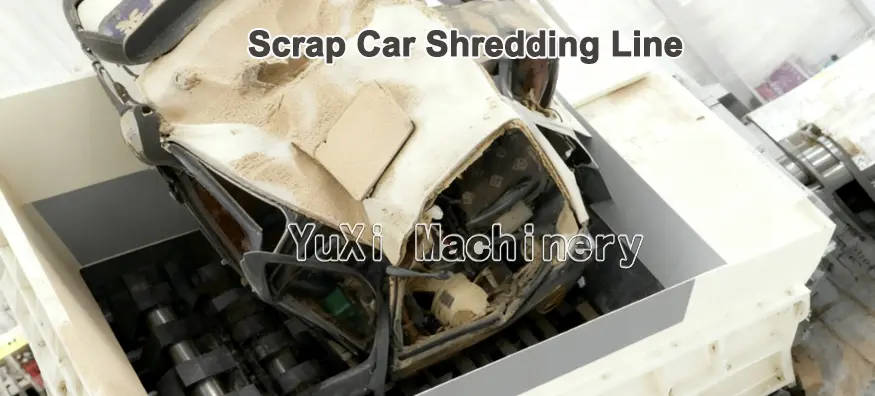
A robust heavy-duty metal shredder must process a heterogeneous mix without failure. This means the design must accommodate:
The physical dimensions of your largest feed material dictate the shredder’s throat size. For high-volume industrial operations, a feed size capacity between 100mm and 2600mm or customized is standard for bulk items. More importantly, match the required throughput (t/h) to the machine’s rated capacity. A range of 400-60,000 kg/h is achievable, but your specific material density and required output size will define the actual performance. Do not operate at the machine’s theoretical maximum.

In metal shredding, speed is irrelevant; torque is the only metric that matters. This is why the low-speed, high-torque shearing mechanism is the industry standard for heavy scrap.
The dual-shaft design uses two powerful, counter-rotating shafts. This setup applies massive shearing and tearing forces to the metal. The result is a controlled breakdown into a uniform output fragment size, which is crucial for downstream processing (e.g.20t/h, melting).
The power delivery system must be over-engineered:
•Motor: Needs to be a reliable, industrial-grade unit, typically ranging from 30 KW to 320 KW.
•Reducer: This is the key component. A heavy-duty reducer is non-negotiable. It translates the motor’s speed into the massive torque required to shear thick steel without stalling. If the reducer fails, your line stops.
The true cost of a shredder is measured in uptime and maintenance hours. Focus on features that minimize wear and simplify service.
The cutters are the primary wear item. They must be made from a special wear-resistant alloy. This material choice directly impacts your operational budget. Ensure the design allows for the easy replacement of individual cutters—not the entire shaft assembly.
Contamination is the silent killer of bearings. Look for a design where the shaft bearings are sealed and isolated from the shredding chamber. Metal dust and debris will inevitably migrate; a well-designed seal prevents premature bearing failure, which is a costly and time-consuming repair.
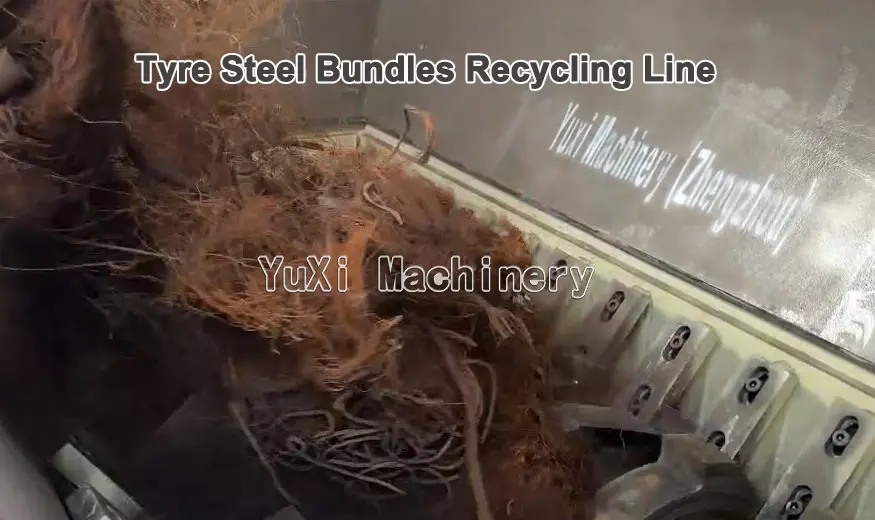
One of the best operational features on a modern dual-shaft shredder is the self-cleaning action. The geometry of the counter-rotating shafts is designed to actively clear sticky or fibrous materials (like wires, straps, or fabrics) that would otherwise wrap around the shafts and cause clogs. This feature is a significant factor in maintaining continuous throughput and reducing manual intervention.
This table summarizes the technical specifications you should prioritize during your equipment evaluation:
| Selection Criterion | Engineering Requirement | Operational Impact |
| Shredder Type | Heavy-duty Dual-Shaft | High stability and capacity for mixed, bulky scrap. |
| Working Principle | Low-Speed, High-Torque Shearing | Controlled, powerful breakdown; consistent fragment size. |
| Power System | Industrial Motor (15*2-160*2 KW) & Heavy-Duty Reducer | Reliable torque delivery; prevents stalling on thick material. |
| Cutters | Special Wear-Resistant Alloy | Extended service life; reduced frequency of costly replacements. |
| Bearings | Sealed and Isolated Design | Protection against metal dust contamination; maximum component longevity. |
| Operational Feature | Self-Cleaning Action | Eliminates material wrapping/clogging; ensures continuous production. |
| Capacity | Rated for Material Density (e.g., 5t/h) | Guaranteed production volume based on real-world material. |
The choice of a scrap metal shredder is a long-term commitment to your production line. Prioritize the core engineering—the low-speed, high-torque mechanism—and the operational details—the alloy cutters and sealed bearings. A machine built on these principles will deliver the required performance and keep your maintenance team focused on preventative work, not emergency repairs. This is how you ensure a solid return on your capital investment.

Company: Zhengzhou Yuxi Machinery Equipment Co., Ltd.

Group :Henan University Science and Technology Park (Western) ,Zhengzhou, Henan ,China(Mainland)

Whatsapp: +86-13674998188




Our Email

Our phone